Coronary artery disease rarely arrives in a textbook form. A calcified left main, a chronic total occlusion, a patient in cardiogenic shock with poor ventricular function, a young woman with Takayasu arteritis and a subtotally occluded carotid — these are the cases where the decision matters more than the device. This practice is built around those decisions.
Interventional cardiology services in Hyderabad
Complex coronary interventionLeft main angioplasty, chronic total occlusion revascularisation, bifurcation stenting and calcified-lesion modification, planned with intravascular imaging rather than angiography alone.
High-risk PCI with supportImpella-assisted percutaneous coronary intervention and ECMO-supported interventions for patients with severely impaired ventricular function or haemodynamic instability.
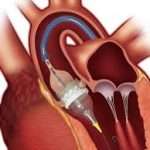
Structural heart interventionTranscatheter aortic valve replacement (TAVR) and percutaneous aortic valvuloplasty for severe aortic stenosis, including assessment for cerebral embolic protection.
Carotid and peripheral workCarotid artery intervention, including retrograde access in selected anatomy, and below-the-knee intervention for critical limb ischaemia.
Day care angioplastySelected patients undergo coronary angioplasty as a day case. Where anatomy and comorbidity allow, this shortens exposure to the risks of a prolonged inpatient stay and lowers the total cost of care.
Intravascular imagingIVUS and OCT-guided optimisation, used to size the vessel accurately, confirm stent expansion and apposition, and identify lesions the angiogram underestimates.
Where I practise
I consult as a senior interventional cardiologist at TX Hospitals and Virinchi Hospitals, both in Hyderabad, Telangana. Appointments, referrals and second opinions are arranged through the consultation page.
Referring physicians are welcome to send angiographic images and clinical summaries in advance. For complex or previously declined cases, a written opinion on revascularisation strategy can usually be provided before the patient travels.
Landmark cases and procedural firsts
Several cases from this practice have been selected for presentation at international interventional meetings. They are listed to document the anatomy this unit takes on, not as a claim of outcome for any individual patient.
- Left main total occlusion angioplasty without a protection device (2012) — selected and presented at TCT 2012, Miami, Florida, and subsequently published.
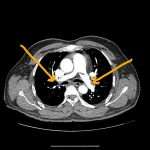
- Retrograde left common carotid angioplasty (2019) — for subtotal occlusion in a 23-year-old woman with Takayasu arteritis, presented at CRT 2020, Washington DC.
- Left main dissection in acute coronary syndrome — presented at CRT 2016.
- Left main lesion missed on angiography and identified by IVUS — presented at CRT 2018.
- Primary PCI in demanding physiology — inferior wall MI with severe thrombocytopenia and active bleeding; primary PTCA in renal failure; high-risk PTCA in an 88-year-old patient in pulmonary oedema.
- Highest Graded Abstract Award, CRT 2026 — with two oral abstract presentations on CTO and left main stenting and a late-breaking presentation on tirzepatide and TAVR outcomes.
Research and international presentations
- New-generation everolimus- and sirolimus-eluting stents in chronic kidney disease, three-year follow-up — Barcelona, 2018.
- Cerebral protection during TAVR and its effect on acute and late stroke in aortic stenosis — Rome, 2019.
- Intravascular ultrasound for detection of angiographically latent coronary lesions — Rome, 2019.
- Ivabradine and eplerenone in heart failure with reduced ejection fraction — CRT 2018.
- Temporary pacing-guided PCI in acute right ventricular infarction with severe RV failure.
Teaching, books and mentorship
The published catalogue covers cardiology textbooks, quick-reference notes and question banks used by candidates preparing for DM cardiology, board and fellowship examinations. Titles are available through the books store and at cardiologybooks.com.
The cardiology mentorship programme takes a small number of trainees each cycle for structured, case-led supervision. The Cardiology Learning Center collects the clinical articles on this site by topic, from ECG interpretation to structural intervention.
When to see an interventional cardiologist
A referral is worth considering when angina limits ordinary activity despite optimal medical therapy, when a stress test or CT coronary angiogram suggests significant ischaemia, when previous angiography identified disease that was deferred, or when severe valvular disease has been diagnosed and surgical risk is high.
Patients who already have a stent and are experiencing recurrent symptoms are worth reassessing early, particularly if antiplatelet therapy has been interrupted for a dental or surgical procedure. See stent thrombosis: six cath lab decisions.
Important. Information on this website is intended for general education and for medical professionals. It does not constitute medical advice for any individual and is not a substitute for consultation with a qualified physician. If you have chest pain, breathlessness at rest or symptoms suggestive of a heart attack, seek emergency care immediately.
Frequently asked questions
What conditions are treated?
Coronary artery disease including left main and chronic total occlusion, acute coronary syndromes, severe aortic stenosis, carotid artery disease, peripheral and below-the-knee arterial disease, and heart failure requiring revascularisation assessment.
What is day care angioplasty and who is suitable?
Day care angioplasty means the procedure and recovery are completed within the same day, without an overnight stay. Suitability depends on the anatomy treated, access site, renal function, comorbidity and home support. It is decided case by case, not offered routinely.
Are second opinions accepted on complex or declined cases?
Yes. Send angiographic images, echocardiogram and a clinical summary through the consultation page and an opinion on revascularisation strategy can usually be given before travel.
Where are consultations held?
At TX Hospitals and Virinchi Hospitals in Hyderabad, Telangana.
Are trainees accepted?
Yes — through the Academy of Elite Doctors and the structured mentorship programme, and through published textbooks and question banks for examination candidates.
You must be logged in to post a comment.