Interventional Cardiology Achievements

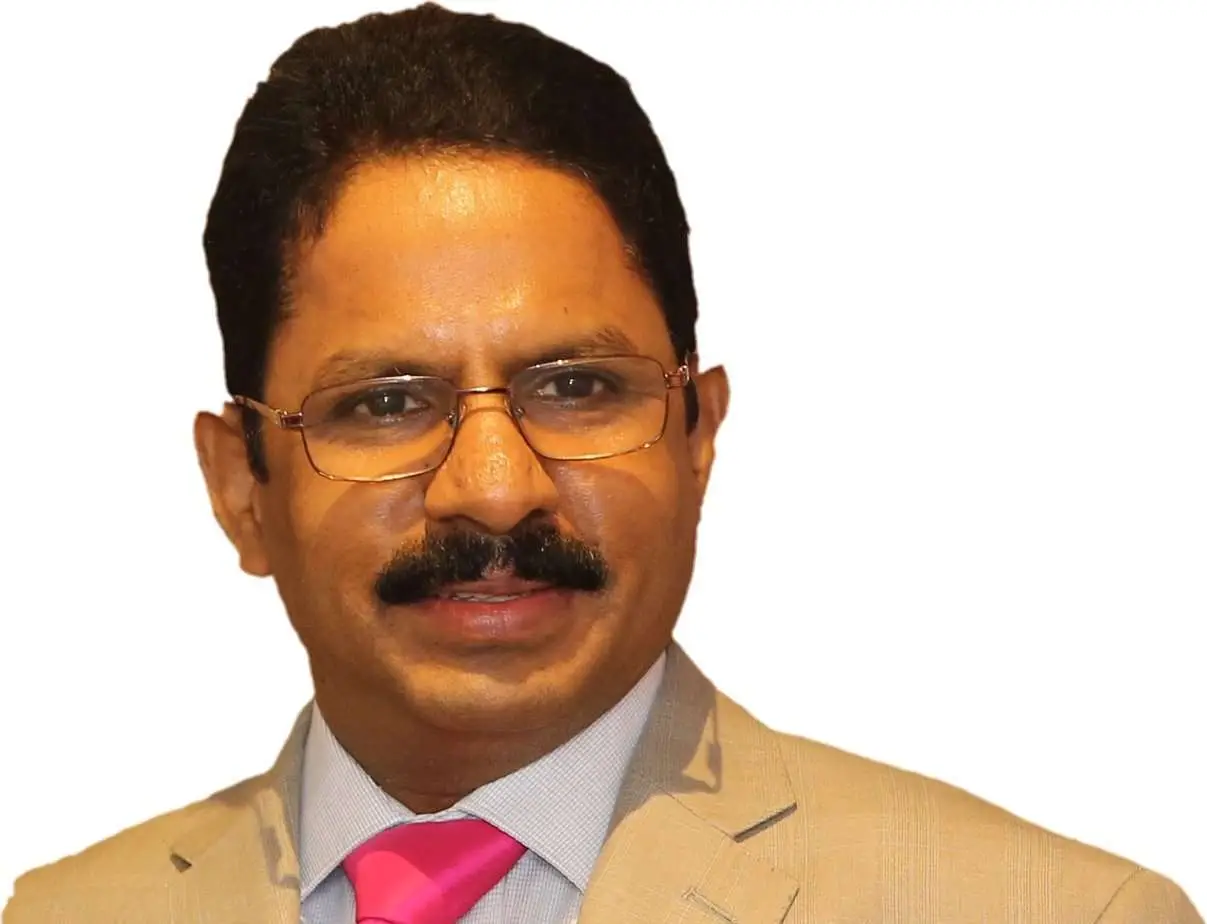
Dr AM Thirugnanam, Deccan Chronicle Article

Miami, TCT 2012 Meeting


First Left Main Coronary Artery Total Occlusion Angioplasty was done in 2012, in the world. This case was presented at the TCT2012 World Conference in Miami, Florida. It was the most appreciated angioplasty in that time period and paved the way for left main coronary artery interventions.”

World first Retrograde Angioplasty in Washington DC

First Retrograde carotid angioplasty

Retrograde Left Common Carotid Angioplasty done on 2019, its first ever carotid angioplasty in medical history.

"Landmark Interventions have been published in international conferences."

  1. July 18th 2011 case of Primary PTCA in renal failure
  2. Feb 22nd case of IWMI with heavy thrombus.
  3. Jan 24th 2011 complex LCX PTCA
  4. Dec 13th 2010 High risk PTCA in 88 yrs old lady with Pulmonary edema
  5. Oct 24th 2011 No flow with all intracoronary drugs
  6. TCT2012,Miami, Florida selected my best interventional case in LM PTCA
  7. Primary PTCA in IWMI with severe thrombocytopenia and nose and gums bleeding patient.
  8. Bifurcation stent in super dominant LCX in a patient with Papillary Muscle rupture and LV aneurysm.
  9. CTO of LAD ostium and Super dominant RCA stenting in one sitting in a patient with crescendo
  10. CRT2016, Left main dissection in ACS
  11. Crashed in a minute on table after CAG in STEMI 2017 CRT
  12. CRT2018, Missed Left Main lesion by angiogram and caught by IVUS
  13. CRT2018, Ivabradine and Eplerenone in HFrEF patients study
  14. Barcelona, Cardiologists 2018, NG Everolimus and NG Sirolimus stents in CKD patients, 3 Years follow up study. First in CKD patient’s research
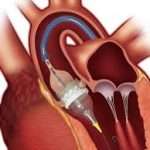
  15. Cerebral protection during TAVR significantly reduces acute and late stroke in Aortic Stenosis at Rome, 2019 cardiologists’ conference
  16. First time IVUS used to detect latent coronary lesion. 2019 cardiologist’s conference, Rome, 2019
  17. First ever performed retrograde left common carotid angioplasty in Takayasu Arteritis, in CRT2020, Washington DC
  18. In Acute Right Ventricular MI with Severe RV failure, TPI guided PCI is   improving right ventricular function quickly

Best shots from Media limelight

Dr AM Thirugnanam, Silicon magazine
Dr AM Thirugnanam, Best Cardiologist
Dr A M Thirugnanam, interventional cardiologist – achievements photograph
Dr AM Thirugnanam's Presentation
Dr AM Thirugnanam- Best Cardiologist in the World

A record built in the cath lab, not on paper

The milestones below are drawn from cases performed in Hyderabad and selected for presentation at international interventional meetings — TCT in Miami, CRT in Washington DC, and cardiology congresses in Barcelona and Rome. They are recorded here because each one changed how a particular problem is approached in this unit, not as a claim of outcome for any individual patient.

Left main intervention: the 2012 TCT case

Left main coronary artery disease was, for a long time, surgical territory by default. A total occlusion of the left main is rarer still, and treating one percutaneously without a protection device was not standard practice in 2012.

The case performed that year was selected for presentation at TCT 2012 in Miami, Florida and subsequently published. What made it instructive was not the device choice but the sequencing — restoring flow before committing to a strategy, and accepting that the angiogram alone could not define the lesion. That principle now runs through every complex case in this practice, and it is the same reasoning set out in the clinical article on stent thrombosis and cath lab decision-making.

Carotid intervention in Takayasu arteritis: the 2019 retrograde case

A 23-year-old woman presented with subtotal occlusion of the left common carotid artery on a background of Takayasu arteritis. Conventional antegrade access was not viable. The lesion was crossed retrogradely and treated, and the case was presented at CRT 2020 in Washington DC.

Takayasu arteritis in a young patient raises a question that recurs across this practice: how much intervention is justified in a disease that will continue to inflame? The answer is rarely found in a guideline, which is why the case was worth presenting.

Imaging that changed the plan

Two presentations at CRT 2018 and the Rome 2019 congress addressed the same theme from opposite directions — a left main lesion missed by angiography and caught on IVUS, and the use of intravascular ultrasound to detect coronary lesions that were angiographically latent.

Both cases argue that the luminal silhouette is an incomplete account of the vessel. Intravascular imaging is now used routinely here for left main, bifurcation, calcified and chronic total occlusion work.

Research presented internationally

  • New-generation everolimus- and sirolimus-eluting stents in chronic kidney disease, with three-year follow-up — Barcelona, 2018. Among the earlier dedicated stent-selection studies in a CKD population.
  • Cerebral protection during TAVR and its effect on acute and late stroke in aortic stenosis — Rome, 2019.
  • Ivabradine and eplerenone in heart failure with reduced ejection fraction — CRT 2018.
  • Temporary pacing-guided PCI in acute right ventricular infarction with severe RV failure, and its effect on the recovery of right ventricular function.
  • CRT 2026 — two oral abstract presentations on chronic total occlusion and left main stenting, a late-breaking presentation on tirzepatide and TAVR outcomes, and the Highest Graded Abstract Award at the opening ceremony.

Complex primary PCI

A number of the cases presented at international meetings involved physiology that ordinarily argues against intervention: inferior wall myocardial infarction with severe thrombocytopenia and active nasal and gingival bleeding; primary PTCA in established renal failure; high-risk PTCA in an 88-year-old patient in pulmonary oedema; bifurcation stenting in a super-dominant circumflex in a patient with papillary muscle rupture and left ventricular aneurysm; and simultaneous treatment of an LAD ostial chronic total occlusion and a super-dominant right coronary artery.

Cases like these are the reason the unit maintains Impella and ECMO-supported pathways rather than declining patients on the basis of ejection fraction alone.

Note. These records describe procedures and research presentations. They are not a guarantee or prediction of outcome for any individual patient, and nothing on this page constitutes medical advice.

Where to read more

Clinical writing on these topics is collected in the Cardiology Learning Center. Conference presentations and slide decks are on the slides page, recorded lectures on the videos page, and academic and professional recognitions on the awards page. For consultations and second opinions, use the consultation page.