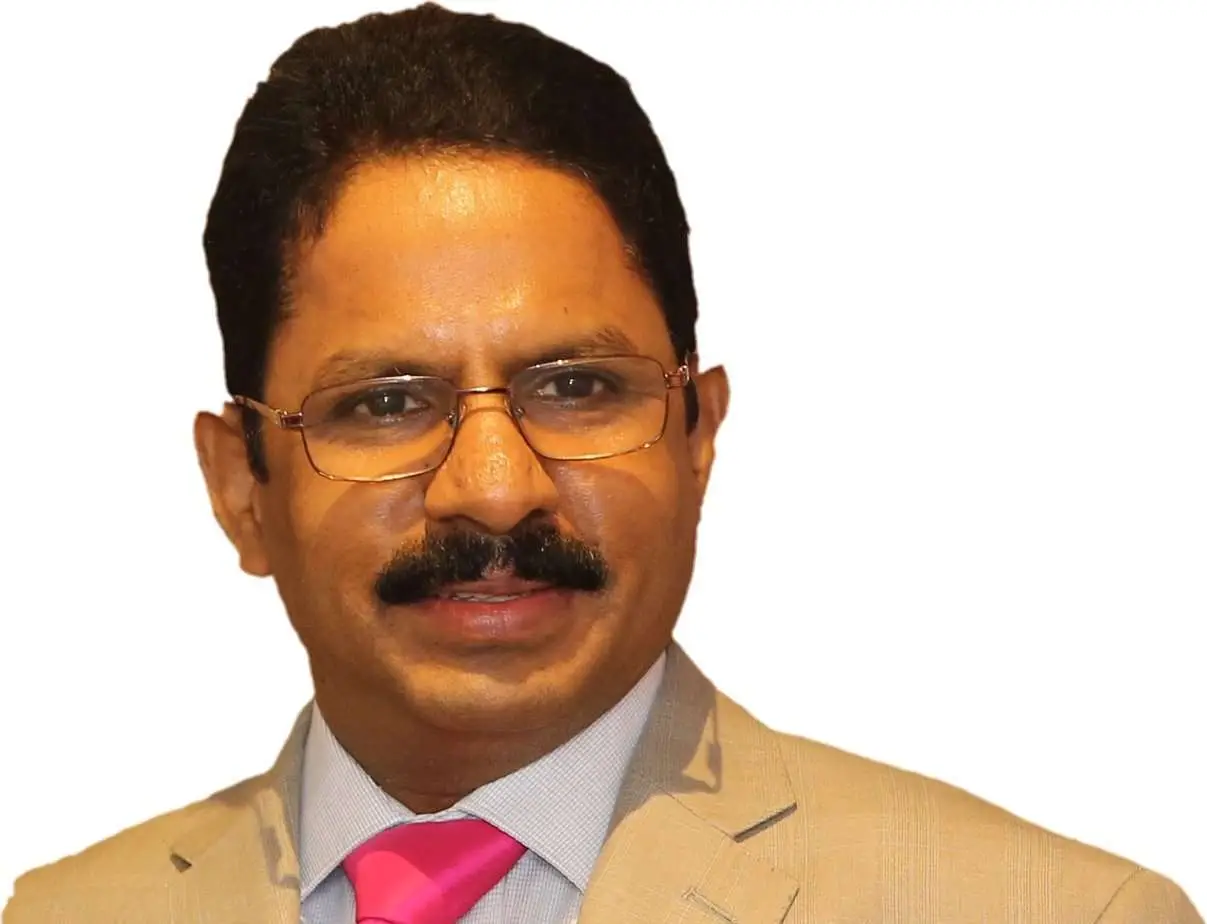
Cardiology mentorship, as I practise it, lives in the space between the textbook and the cath lab. I am Dr A M Thirugnanam, a senior interventional cardiologist in Hyderabad, and much of my teaching happens in conversations where a younger colleague and I work through a decision that no guideline fully settles. This page explains why I mentor, what we do together and who I hope to hear from.
My clinical work is complex coronary intervention, including CTO PCI and unprotected left main stenting, and structural cardiology, including TAVR. I am a consultant senior interventional cardiologist at TX Hospitals and Virinchi Hospitals. Alongside the cath lab I teach, research and write textbooks, and I founded the Academy of Elite Doctors. Mentorship is where those threads come together.
Why I mentor
Knowledge in cardiology is easy to find. Judgment is not. A fellow can quote the trial, yet still hesitate when the pressure damps on engagement or the patient is frailer than anyone in the study. That hesitation is normal. What helps is someone who has faced similar moments and can explain their reasoning.
Training programmes are busy, and case volume alone does not teach reasoning. A procedure can go well without the trainee ever hearing why one wire, one guide or one strategy was chosen over another. I mentor to make that thinking visible, so it can be questioned, tested and eventually owned by the person learning it.
There is a selfish reason too. Explaining a decision to a sharp young doctor forces me to recheck my own assumptions. Good mentees keep me honest.
What a month of cardiology mentorship looks like
No two months are identical, because the work follows your cases and goals. Still, a typical month touches each of these five activities.
Case reviews
We start with real, de-identified patients: a case you managed, one you are planning or one that went badly. We go through the history, the angiogram or echo, the options on the table and the choice that was made. The aim is not to grade you but to understand the reasoning and where it could be sharper.
Cath-lab decision walk-throughs
This is where I slow a procedure down into its individual decisions: access, guide selection, imaging, lesion preparation, device sizing and optimisation. For complex lesions such as a chronic total occlusion or a calcified left main, I talk through what I would do first, what would make me change course and what my bail-out is before I start.
Reading the evidence
We read trials together and ask practical questions. Who was actually enrolled? Which patients were excluded? Does the result apply to the person in front of you? Reading a methods section critically is one of the most useful habits a young cardiologist can build.
Academic writing and publishing
Many mentees want to publish but do not know where to begin. We work on turning an interesting case into a case report, shaping a research question, structuring a manuscript and responding to reviewers. I read drafts and give direct, specific feedback, because clear writing is part of clear thinking.
Board and exam preparation
For those facing examinations, we practise case-based questions, viva-style reasoning and the structured answers examiners expect. The focus is understanding rather than memorising, so an unfamiliar scenario does not throw you.
Who this cardiology mentorship is for
I work best with doctors who are already committed to cardiology and want to think more deeply about it. That usually means one of the following:
- Cardiology fellows who want structured guidance alongside their formal training.
- Young interventionalists in their early years of independent practice, building confidence with complex cases.
- Physicians preparing for cardiology board or specialty examinations who want case-based, reasoning-led preparation.
If you are unsure whether you fit, apply anyway and tell me about your situation. The application is the start of a conversation, not a test.
What I look for in an applicant
I do not look for the most impressive CV. I look for curiosity, honesty and a willingness to do the work between sessions. The mentees who grow fastest are the ones who bring their difficult cases, admit what they did not know and come back having read the paper we discussed.
I also look for a clear sense of purpose. Tell me what you want from mentorship: better procedural judgment, a first publication, exam readiness or simply a senior colleague to think with. Most of all, I look for doctors who put patient safety first, because every discussion we have ultimately serves the person on the table.
How it works in practice
Mentorship runs mainly through online sessions, which means geography is not a barrier. Sessions are case-based discussions rather than lectures. You share de-identified images and notes, we work through them together, and you leave with reading, a writing task or a question to think about before we meet again.
Between sessions, I encourage mentees to study the teaching cases I share on my interesting cases page, and to use the structured cardiology courses for topics that need a systematic foundation. Mentorship works best when it sits on top of that groundwork.
Current details on format, scheduling and fees are kept up to date on the application page, so please check there rather than relying on anything you may have heard informally.
Frequently asked questions
Who is this cardiology mentorship for?
It is designed for cardiology fellows, young interventional cardiologists in their early years of practice and physicians preparing for cardiology board or specialty examinations. What matters most is a genuine commitment to cardiology and a willingness to engage with real cases.
Do I need to be an interventional fellow to apply?
No. Interventional decision-making is a large part of what I teach, but case reviews, evidence reading, academic writing and exam preparation are useful to any cardiologist in training. Tell me your stage and goals in your application, and we can shape the focus around them.
How are mentorship sessions run?
Sessions take place online and are built around case-based discussion. Mentees bring de-identified cases, images and questions, and we reason through them together. Reading, writing tasks and reflection between sessions are part of the process. Current format and scheduling details are on the application page.
Will mentorship help me prepare for board exams?
It can support your preparation. We practise case-based questions and structured, viva-style reasoning so that you understand the thinking behind answers rather than memorising them. Mentorship complements your own study and formal courses; it does not replace them, and no outcome can be promised.
How do I apply for mentorship?
Complete the application form on the Cardiology Books mentorship page. Tell me about your training, your current role and what you hope to gain. The same page carries the latest information on format, scheduling and fees, so please check it before you apply.
Ready to take the next step?
If this approach to learning cardiology suits you, I would be glad to hear from you. Send your application and tell me, in your own words, what you want to become better at.