
For most of my career, a patient with obstructive hypertrophic cardiomyopathy who stayed breathless on a beta-blocker had two real options: a surgeon’s myectomy or my alcohol septal ablation. Both work in the right hands. Both are procedures, with procedural risks. Since cardiac myosin inhibitors arrived, there is now a third path, and the question I am asked most in clinic is no longer “which procedure?” but “do I need a procedure at all?” This is how I answer it.
What Has Changed in Obstructive Hypertrophic Cardiomyopathy
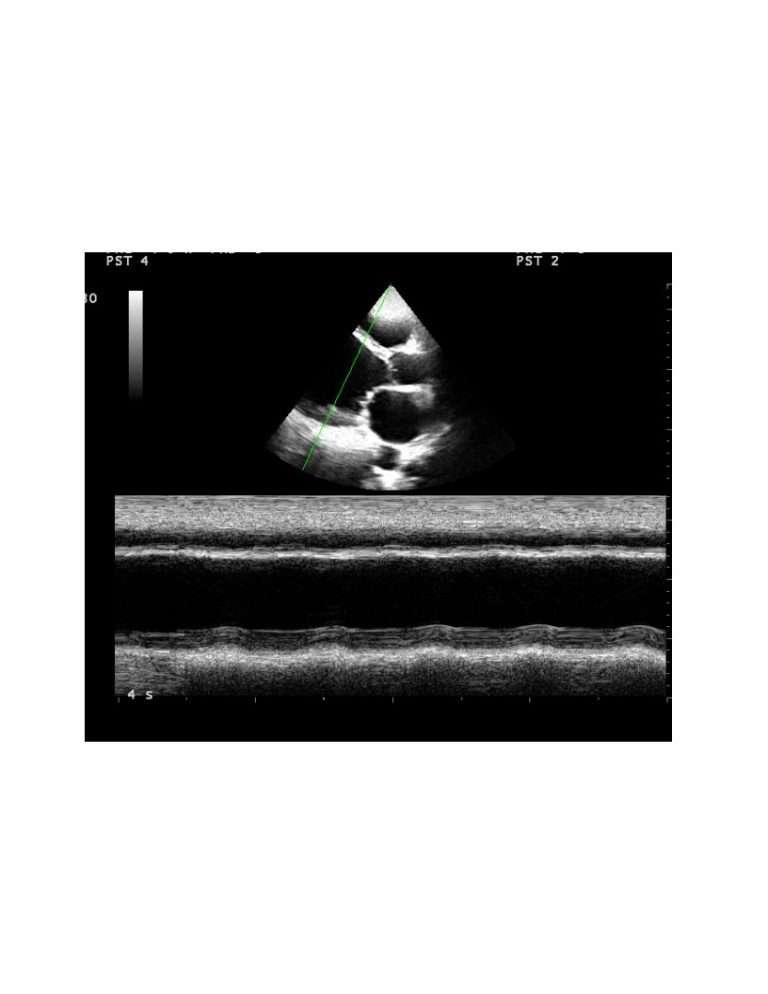
The symptoms of obstructive hypertrophic cardiomyopathy come largely from the outflow gradient: a thick septum and systolic anterior motion of the mitral valve narrow the outflow tract, and the ventricle pushes against it. Beta-blockers and verapamil or diltiazem reduce symptoms but do little to the gradient in many patients. Disopyramide helps some, but anticholinergic side effects limit it.
Cardiac myosin inhibitors work differently. They reduce the number of myosin heads that bind actin, lowering the excessive contractility that drives the obstruction. Two are now approved in the United States: mavacamten, and aficamten, which the FDA approved in December 2025 for adults with symptomatic obstructive HCM.
The Trials I Rely On
- EXPLORER-HCM (Lancet 2020), 251 patients: mavacamten against placebo on top of background therapy. More patients met the combined exercise-and-symptom primary endpoint with mavacamten (37% against 17%).
- VALOR-HCM (JACC 2022), 112 patients who were already referred for septal reduction: after 16 weeks, only 17.9% on mavacamten still went ahead with, or remained eligible for, a procedure, against 76.8% on placebo.
- SEQUOIA-HCM (NEJM 2024), 282 patients: aficamten raised peak oxygen uptake by 1.7 mL/kg/min more than placebo at 24 weeks, and all ten secondary endpoints improved.
- MAPLE-HCM (NEJM 2025), 175 patients: aficamten alone against metoprolol alone. Peak oxygen uptake rose 1.1 mL/kg/min with aficamten and fell 1.2 with metoprolol, a 2.3 mL/kg/min difference.
VALOR-HCM is the trial that matters most to an interventional cardiologist. It shows that many patients who would have come to my lab for alcohol septal ablation can avoid it, at least over the period studied.
My Four Choices in Obstructive Hypertrophic Cardiomyopathy
- Start with a beta-blocker, but do not stay there out of habit. The 2024 AHA/ACC guideline gives a myosin inhibitor a Class 1 recommendation for adults whose symptoms persist despite a beta-blocker or a non-dihydropyridine calcium channel blocker. MAPLE-HCM now asks whether a myosin inhibitor should come first. The guideline has not yet caught up with that question, and I tell patients so.
- Offer a myosin inhibitor before a procedure in most symptomatic patients. If the patient can attend for regular echocardiograms, the drug is reversible, non-invasive and well studied in the short term.
- Keep septal reduction for the right patient. I still recommend myectomy or ablation when the patient cannot attend monitoring, has intolerance, has mitral or papillary muscle anatomy that needs surgery, or simply prefers a one-time fix. Septal reduction should be done at an experienced HCM centre.
- Be honest about what is not known. None of these trials was designed to show fewer deaths, sudden deaths or atrial fibrillation. They show better exercise capacity, symptoms and gradients. Long-term data are still accumulating.
The Monitoring Contract
Myosin inhibitors reduce contractility, so they can push the ejection fraction too low. Both drugs carry a boxed warning for heart failure due to systolic dysfunction and are dispensed in the United States only through a REMS programme. For aficamten, once the dose is set, the label asks for ejection fraction and Valsalva gradient every six months, or every three months if the ejection fraction is between 50% and 55%.
I explain this to patients as a contract: the drug can spare you a procedure, but only if you come for the scans. An intercurrent illness such as a severe infection, or a new interacting drug, can change the effect, so patients must tell us when something changes.
Where Alcohol Septal Ablation Still Fits
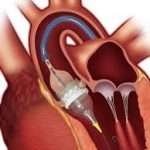
I have done many of these procedures and I respect them. A successful ablation gives a lasting gradient reduction without daily medicine. But it causes a controlled infarct, carries a risk of complete heart block needing a pacemaker, and depends on suitable septal perforator anatomy. With an effective, reversible drug available, I now discuss ablation as one option among three, not as the default next step after a beta-blocker.
My Clinic Sequence
- Confirm obstruction at rest and with provocation, and confirm the symptoms are due to it.
- Optimise a beta-blocker, or verapamil or diltiazem if beta-blockers fail.
- If symptoms persist, discuss a myosin inhibitor and the monitoring it needs.
- If monitoring is not possible, the drug fails, or anatomy demands it, refer for septal reduction at an experienced centre.
- Throughout, assess sudden death risk separately; myosin inhibitors do not replace ICD decisions.
Obstructive hypertrophic cardiomyopathy has moved from a procedural disease to one where medicine often comes first. My job is to match each patient to the path that suits their anatomy, their life and their ability to be monitored.
Written by Dr A M Thirugnanam, MD, MSICP, FSCAI, Ph.D., Senior Interventional Cardiologist, Hyderabad. For medical education; individual treatment decisions need specialist assessment.
Who I Would Not Start on a Myosin Inhibitor
Myosin inhibitors are not for every patient with obstructive hypertrophic cardiomyopathy. I am cautious, or I choose another route, in these situations:
- The patient cannot attend regular echocardiography. The drugs depend on monitoring. A patient who lives far away or cannot travel reliably may be safer with a one-time procedure.
- The ejection fraction is already at the lower end of normal. Starting a drug that reduces contractility needs extra care and closer follow-up.
- Pregnancy is planned or possible. These drugs may harm the fetus, and mavacamten can interact with some hormonal contraceptives. Contraception must be discussed clearly.
- Interacting medicines cannot be avoided. Some antifungals, antidepressants, proton pump inhibitors and anti-epileptics change drug levels. I check every prescription.
- Symptoms are not clearly caused by obstruction. If the breathlessness is mainly from atrial fibrillation, lung disease or deconditioning, reducing the gradient will not fix it.
Myectomy or Alcohol Septal Ablation?
When a procedure is the right answer, the choice between surgery and ablation depends on anatomy, age and the patient’s wishes. I generally favour surgical myectomy when:
- The patient is younger and fit for surgery.
- The septum is very thick.
- There is an abnormal mitral valve or papillary muscle that also needs repair.
- Another cardiac operation, such as coronary bypass, is needed at the same time.
I favour alcohol septal ablation when:
- The patient is older or at higher surgical risk.
- A suitable septal perforator artery supplies the area of contact.
- The patient strongly prefers to avoid open surgery.
Both procedures should be done in centres with experience. I always tell patients that ablation carries a risk of complete heart block that may need a permanent pacemaker, and that a small number need a repeat procedure.
Two Illustrative Cases
These are composite teaching examples, not individual patients.
Consider a 47-year-old engineer with a Valsalva gradient of 92 mm Hg and breathlessness on one flight of stairs despite full-dose metoprolol. His anatomy is suitable for ablation, and before myosin inhibitors I would have recommended it. Today I would discuss all three options. If he wants to avoid a procedure and can attend for scans, a myosin inhibitor is a sound first choice.
Now consider a 68-year-old farmer with a similar gradient who lives four hours from the nearest echo laboratory and cannot commit to regular visits. For him, a single alcohol septal ablation may be the safer and more practical choice. The best treatment is the one the patient can safely live with.
What I Tell Every Patient
- Your symptoms can usually be improved, by medicine, by a procedure, or both.
- Treating symptoms is separate from protecting you against sudden cardiac death; we will assess that too.
- Your brothers, sisters and children should be screened.
- Exercise is generally encouraged, at a level we agree together.
Living With Obstructive Hypertrophic Cardiomyopathy
Whatever the treatment, everyday advice matters. Patients should stay well hydrated, especially in hot weather, because dehydration worsens obstruction. Heavy meals and alcohol can also increase symptoms in some people. Sudden heavy lifting and straining are best avoided. Regular moderate exercise is encouraged once we have agreed a safe level, and most patients can work, travel and live full lives with good follow-up.
Key References
- 2024 AHA/ACC/multisociety hypertrophic cardiomyopathy guideline, Circulation (PubMed)
- MAPLE-HCM: aficamten or metoprolol monotherapy, N Engl J Med 2025 (PubMed)
- ODYSSEY-HCM: mavacamten in nonobstructive HCM, N Engl J Med 2025 (PubMed)
- ACACIA-HCM: global efficacy of aficamten in nonobstructive HCM, Circulation 2026 (PubMed)
- FDA approval of aficamten (Myqorzo) for symptomatic obstructive HCM
Discover more from Dr AM Thirugnanam
Subscribe to get the latest posts sent to your email.