
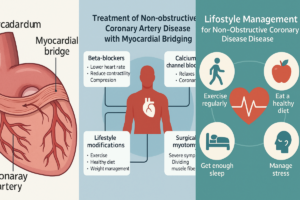

Understanding the Treatment of Non Obstructive Coronary Artery Disease With Myocardial Bridging
The treatment of non obstructive coronary artery disease with myocardial bridging has become a growing focus in modern cardiology. Patients can experience chest pain, breathlessness, or fatigue even when angiograms show no large blockages.
For readers interested in understanding broader forms of coronary disease, visit our in-depth guide:
👉 Comprehensive Coronary Disease Guide
The combination of non-obstructive CAD and myocardial bridging requires a personalized, layered treatment plan to restore optimal heart function.
What Is Non-Obstructive Coronary Artery Disease?
Non-obstructive CAD (NOCAD) refers to coronary symptoms without significant artery narrowing. The problem lies not in blocked pipes but in dysfunctional vessels.
Microvascular and Functional Components
The small vessels deep inside the heart may stiffen or constrict unpredictably, limiting blood flow—especially during exertion.
Symptoms Despite “Normal” Angiograms
Patients may feel:
-
Angina-like chest pressure
-
Fatigue
-
Breathlessness
-
Reduced exercise capacity
This makes the condition easy to miss without advanced testing.
What Is Myocardial Bridging?
Myocardial bridging occurs when a coronary artery passes through heart muscle rather than lying on its surface. The muscle compresses the artery during each heartbeat.
How Myocardial Bridging Causes Systolic Compression
Compression worsens with higher heart rates, explaining why beta-blockers work so well.
Link Between Myocardial Bridging and Non-Obstructive CAD
Bridging can worsen microvascular dysfunction and contribute to ischemia.
Diagnosis of Myocardial Bridging in Non-Obstructive CAD
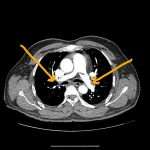
Coronary CTA and Angiography
CTA is excellent for visualizing the tunneled artery.
Intravascular Ultrasound & FFR/iFR
These tools measure whether compression meaningfully reduces blood flow.
Stress Testing & Cardiac MRI
MRI identifies subtle under-perfusion.
External reference:
🔗 American Heart Association — Understanding Heart Conditions
https://www.heart.org
Treatment of Non Obstructive Coronary Artery Disease With Myocardial Bridging
A tailored medical strategy leads to the best outcomes.
First-Line Therapy: Beta-Blockers
They:
-
Reduce heart rate
-
Lower contractile force
-
Minimize compression
Additional Medical Therapy: Calcium Channel Blockers
Useful when vasospasm or persistent symptoms occur.
Avoiding Nitrates in Myocardial Bridging
Nitrates may worsen compression by vasodilating non-bridged segments.
Antiplatelet and Statin Considerations
Recommended when inflammation or early atherosclerosis is suspected.
For comprehensive foundational knowledge on coronary disease categories, explore our internal resource:
👉 Coronary Disease Master Guide
Lifestyle Management and Long-Term Care
Medications work best when supported by lifestyle changes.
Exercise Recommendations
Moderate cardio improves endothelial function. Avoid sudden high-intensity bursts unless medically cleared.
Diet, Stress, and Sleep Optimization
An anti-inflammatory, heart-healthy diet is clinically recommended.
External resource for evidence-based cardiac nutrition:
🔗 European Society of Cardiology – Preventive Cardiology Guidelines
https://www.escardio.org
To learn how lifestyle factors tie into overall coronary health, see our detailed internal article:
👉 Heart-Healthy Lifestyle Guide
Advanced Interventions for Severe Cases
Surgical Myotomy
Muscle fibers compressing the artery are surgically released.
Coronary Stenting (Why Rarely Used)
Bridged segments exert pressure that can deform stents, making this option uncommon.
Living With Myocardial Bridging and Non-Obstructive CAD
Patients can live long, active lives with tailored therapy, ongoing monitoring, and lifestyle adjustments.
FAQs About the Treatment of Non Obstructive Coronary Artery Disease With Myocardial Bridging
1. Is myocardial bridging dangerous?
Often benign but can cause symptoms when combined with NOCAD.
2. Can myocardial bridging be cured?
Symptoms can be managed; surgery is rarely needed.
3. Are beta-blockers always required?
They are usually the first-line therapy.
4. Is exercise safe?
Moderate exercise is beneficial for most patients.
5. When is surgery recommended?
When symptoms persist despite optimal medical therapy.
6. Can stress worsen symptoms?
Yes—stress raises heart rate and compression severity.
Treatment Overview Chart

Conclusion
The treatment of non obstructive coronary artery disease with myocardial bridging requires a thoughtful combination of medication, lifestyle optimization, and selective advanced intervention. With a personalized plan and the right tools, patients can achieve significant symptom improvement and a stronger quality of life.
🎉 Your Article Is Now Fully Optimized
Discover more from Dr AM Thirugnanam
Subscribe to get the latest posts sent to your email.





You must be logged in to post a comment.